
Why Don’t My Kids Listen to Me?
The Hidden Communication Habits That Push Kids Away
If you’ve ever found yourself thinking “why don’t my kids listen to me?” - you are absolutely not alone.
Most parents aren’t struggling because they’re bad parents. They’re struggling because they’re overwhelmed, exhausted, carrying the mental load of the household, and trying to hold everything together while raising emotionally healthy kids.
And often, the very things we say in stressful moments accidentally push our kids further away instead of helping them listen.
 Feeling stuck in constant yelling and power struggles?  Download the FREE Roadblocks Tracking Sheet to start noticing communication habits that may be disconnecting you from your child. |
Your Child Is Looking for Connection, Not Perfection
Imagine this:
Your child walks through the door after school and quietly says:
“No one wanted to play with me today.”
In that moment, your child is offering you a glimpse into their inner world. They’re looking for safety, understanding and connection.
But when we’re tired, distracted or overwhelmed, it’s easy to respond in ways that unintentionally shut communication down.
Instead of slowing down and listening, we often jump straight into fixing, correcting, or trying to make the problem disappear as quickly as possible.

And if you enjoy listening to podcasts while cleaning, driving or folding laundry, this post is also based on my podcast episode about the communication roadblocks that can quietly shut kids down.
The problem is, many of us fall into communication habits that quietly block connection without even realising it.
These are what parenting expert Dr Thomas Gordon called roadblocks to communication - the subtle ways we unintentionally shut our kids down when they’re trying to share something important with us.
And the tricky part?
Most of these roadblocks come from a loving place.
We’re trying to help.
We’re trying to solve the problem.
We’re trying to move the day along.
But often, our kids walk away feeling unheard instead of supported.
So in this post, I want to walk you through some of the most common communication roadblocks that can stop kids from listening, opening up, and feeling emotionally safe with us.
Here they are:
1. Ordering
Sometimes our response sounds like:
“Don’t say that.”
“Just go make some friends.”
“Stop being dramatic.”
Usually, we’re trying to help.
But what our child often hears is:
“My feelings don’t matter.”
When children repeatedly feel dismissed or rushed through emotions, they may eventually stop bringing those feelings to us altogether.
🧡 Quick reminder:
You do not need to become a perfect parent overnight. The goal is awareness, not perfection.
📥 Grab the free Roadblocks Tracking Sheet here so you can start gently noticing these patterns in everyday moments.
2. Threatening
A child says:
“Nobody wanted to play with me.”
And we respond with:
“Maybe if you stopped being bossy, people would play with you.”
We think we’re teaching a lesson.
But underneath, our child may hear:
“Something is wrong with me.”
That shame can quietly damage connection over time.

3. Constantly Fixing the Problem
This one catches so many loving parents.
Your child shares something painful and immediately we jump into solution mode:
“Take a ball to school.”
“Ask someone else tomorrow.”
“You just need to try harder.”
We do this because we care deeply. We hate seeing our kids hurting.
But often, children don’t need solutions first.
They need empathy first.
When kids constantly receive advice instead of emotional presence, they can start believing:
“Mum doesn’t really want to hear how I feel. She just wants to fix it.”
If you’re wondering what to say instead in these moments, I shared some simple active listening techniques in Episode 13 that can help your child feel truly heard.
Want calmer conversations with your kids? Inside my free Roadblocks Tracker, you’ll learn: ✔ Common communication habits that shut kids down ✔ What may be happening underneath your child’s behaviour ✔ How to build more emotional safety and connection |
4. Blaming and Labels
You’re exhausted. Dinner is cooking. The kids come to you asking for help to solve their argument.
And suddenly out comes:
“Why are you always so selfish?”
“You never listen.”
“You’re always causing problems.”
Children don’t separate behaviour from identity the way adults do.
Instead of hearing:
“I made a poor choice.”
They hear:
“I am the problem.”
That shame can lead kids to either shut down emotionally or act out even more intensely.
Often, we react before we even realise what’s happening - especially when we’re exhausted and overwhelmed.
That’s why learning emotional regulation as parents matters so much.
5. Dismissing Feelings
Sometimes we dismiss emotions simply because we don’t have the capacity in the moment.
We say things like:
“Ignore them.”
“It’s not a big deal.”
“Stop being dramatic.”
Or sometimes we go quiet and hope the moment passes on its own.
But what children often feel is:
“My feelings are too much.”
And over time, they may stop opening up altogether.
And sometimes as parents, our own emotions feel overwhelming too. Learning how to move through big emotions without getting stuck in them can completely change the way we respond to our kids.

Need more personalised support?
If parenting feels hard right now, you don’t have to figure it all out alone.
My SOS Parenting Support Calls are designed for overwhelmed parents who want calmer, more connected relationships with their kids - without shame or judgement.
Sometimes one calm conversation can change everything.
So… Why Don’t My Kids Listen to Me?
Because listening is deeply connected to emotional safety.
Children are far more likely to cooperate and communicate when they feel:
Heard
Safe
Accepted
Understood
Emotionally supported
Connection is what creates influence.
Not fear.
Not punishment.
Not constant correction.
And when we intentionally build connection through listening, play, presence and emotional safety, we strengthen what I like to call the connection bank account with our kids.
The First Step Is Awareness
Please don’t read this and spiral into guilt.
Every parent falls into these habits sometimes.
You are learning while parenting in real time - often while exhausted and overwhelmed.
And the fact that you’re even asking:
“Why don’t my kids listen to me?”
…means you care deeply.
That matters.
You don’t need to fix everything overnight. Just noticing your patterns is the first step toward change.

Ready to Start Building More Connection With Your Child?
Start with the free Roadblocks Tracking Sheet — a simple tool to help you recognise the communication patterns that may be creating disconnection at home.
If you’d like personalised support, you can also book an SOS Parenting Support Call and we’ll work through your challenges together.
About the Author

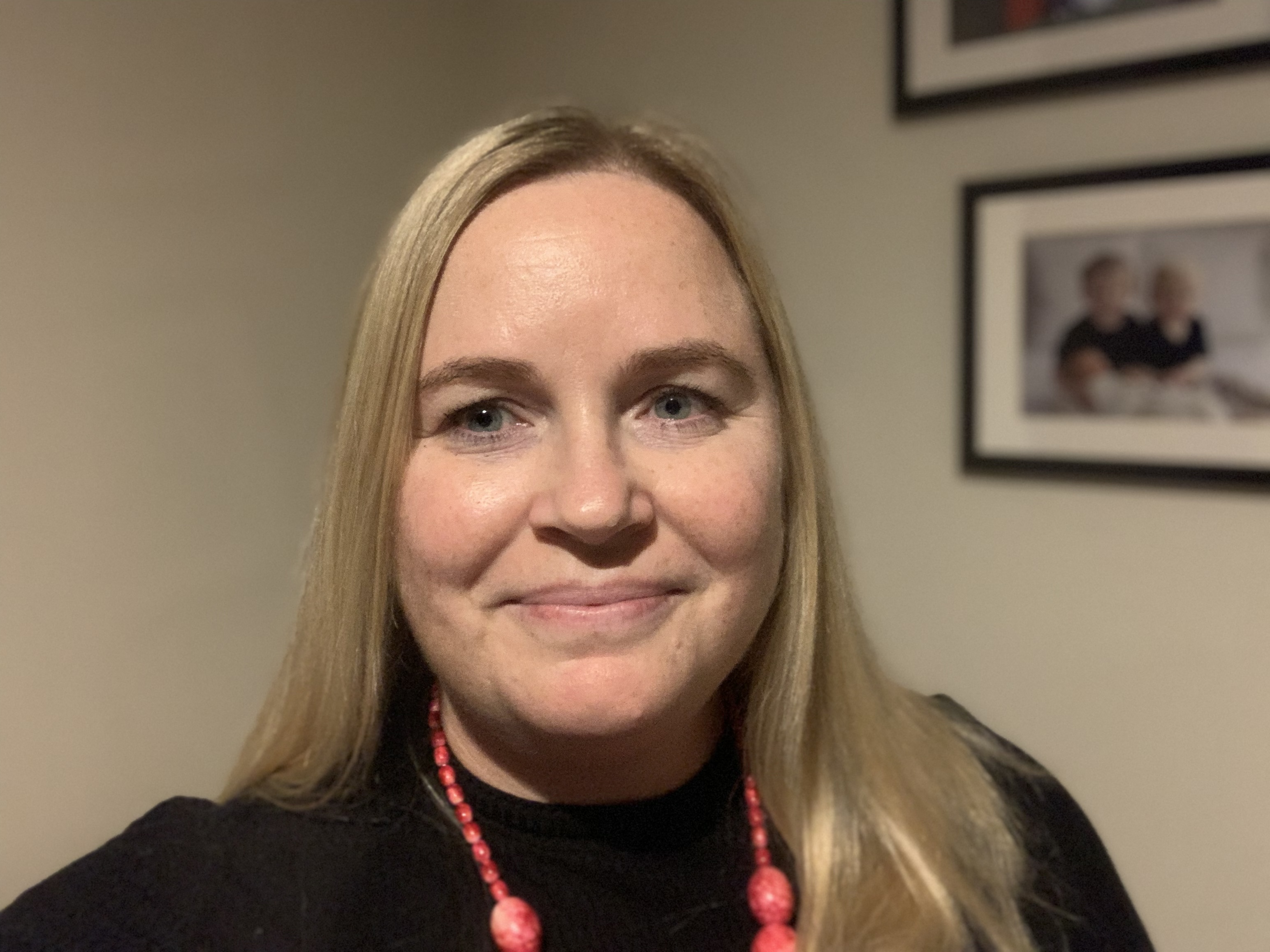
Nina Visic is a mindful parenting coach, podcast host, and mum of three boys. Through Mindful Parenting Lifestyle, she supports overwhelmed parents who feel stuck in cycles of yelling, guilt, and emotional exhaustion - helping them become calmer, more connected, and more confident in their parenting.
Her approach combines mindfulness, emotional awareness, and practical real-life parenting tools that actually work in the messy moments of everyday family life. Nina is passionate about helping parents break generational patterns, repair after hard moments, and create homes built on connection instead of perfection.
Through her podcast Your Calm Parenting Path, coaching programs, and free resources, Nina helps parents move from reactivity and overwhelm toward calmer, more connected family relationships - one small shift at a time.
When she’s not coaching or recording podcast episodes, you’ll usually find her at the park with her boys, drinking coffee that’s gone cold, or reminding herself:
“This isn’t an emergency.” 🧡


Comments