
Ep37. When Co-Parenting Isn’t Working, Could Parallel Parenting Help?
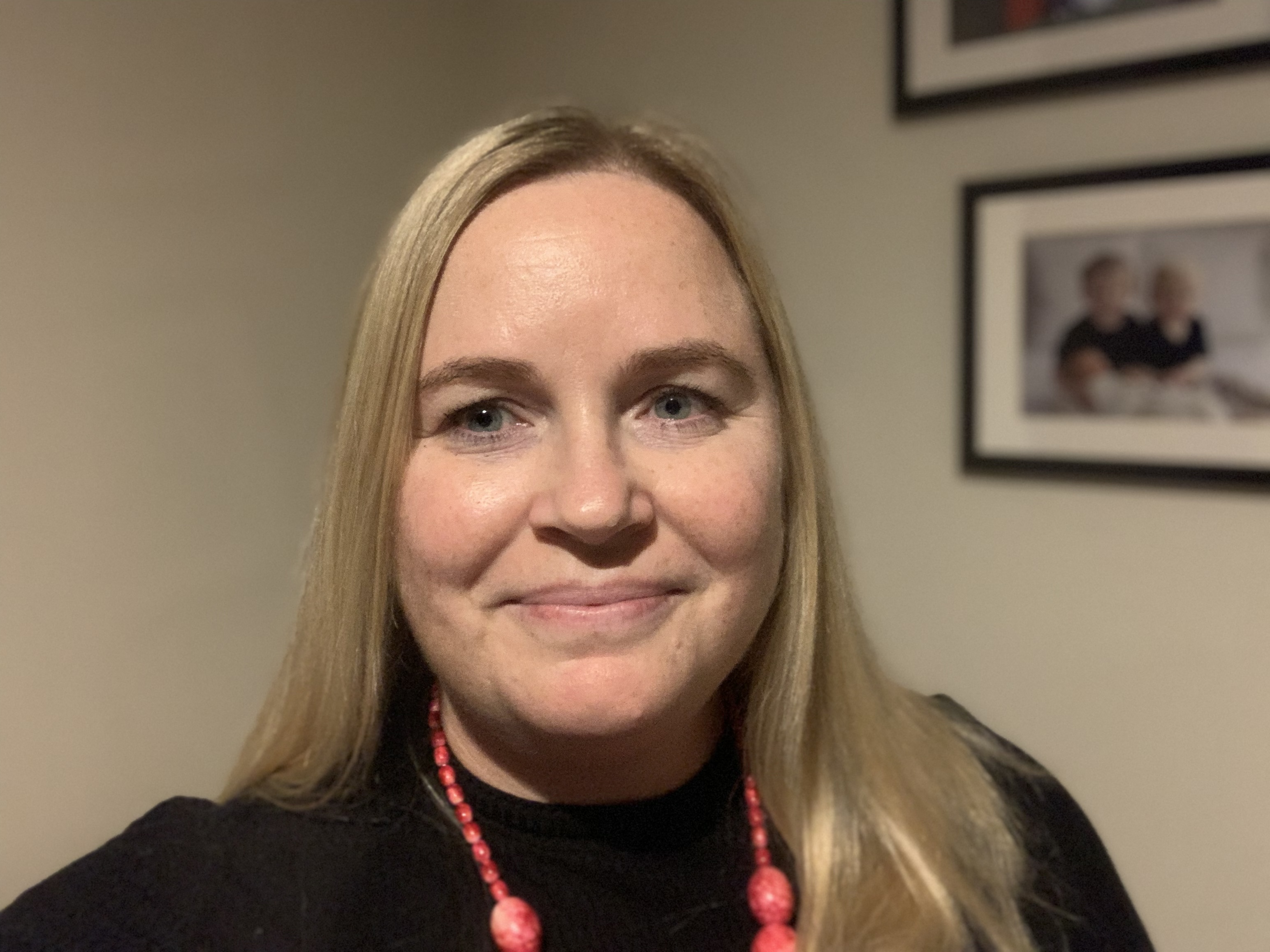
Co-parenting after separation is often presented as the ideal – but what if it feels impossible? In this episode, Nina is joined by Emma Cannon, mum of three and founder of Higher Swing, to explore an alternative approach: parallel parenting.
Together, they unpack why co-parenting doesn’t always work, how parallel parenting after separation can reduce conflict, and how parents can create calmer, safer homes that support children’s wellbeing.
You’ll Learn:
The difference between co-parenting and parallel parenting
Why co-parenting isn’t always realistic after separation
How parallel parenting after separation can reduce conflict
Practical boundaries that protect your energy and confidence
Why supporting yourself first supports your child
Why This Episode Matters
Many parents feel pressure to “get along” after separation, even when communication feels stressful or unsafe. This episode offers reassurance that there is another way. Parallel parenting after separation allows parents to focus on their own home, values, and healing – without ongoing conflict.
One Small Shift
Start with one small shift that supports you. Notice where you feel most triggered or dysregulated, and choose one moment this week to pause, name your feelings, and respond with intention. When parents work on their own emotional regulation and repair, children learn those skills too.
Take the Next Step
If this conversation resonated, you might like to explore the family wellbeing programs available through Higher Swing.
Or, if you’d like personalised support, you can book a free chat with Nina to take the next step toward calmer, more confident parenting.
Links and Resources
Let’s Connect
Follow Nina on Instagram
Website: mindfulparentinglifestyle.com.au
About the Hosts

Nina Visic
Nina is a mindful parenting coach, mum, and host of Your Calm Parenting Path. She supports overwhelmed parents to move from reactive parenting to calm, confident, and connected relationships with their children.
Through her own lived experience and training in mindful parenting, Nina understands how emotional regulation and boundaries shape family life – especially during times of transition. Her work gently reminds parents that they don’t need to be perfect to be effective, and that small, intentional shifts can create lasting change.
Emma Cannon is a mum of three and the founder of Higher Swing, an Australian platform connecting families with proactive wellbeing programmes for children, parents, and schools. Her work supports families through life’s challenges – from everyday struggles to major transitions like separation or divorce.
After navigating her own high-conflict separation, Emma became passionate about trauma-informed approaches that prioritise safety, boundaries, and emotional wellbeing. Through Higher Swing, she helps families access practical, non-clinical support that empowers both children and parents to thrive.
Transcript
This transcript was created using Headliner. It has been copied and pasted but not proofread or edited, so it may contain errors or inaccuracies.
Nina: You're listening to youo Calm Parenting Path. I'm your host, Nina, a mindful parenting coach and mum m here to help you go from overwhelmed and reactive to calm, confident and connected with your kids. This show is for parents who want to raise their children with more patience, less stress and a whole lot more joy, because small shifts make a big impact and you can build the parenting life you've always wanted. If you want to see what I'm up to, follow me on Instagram indfulparentinglifestyle and don't forget to hit, follow or subscribe so you never miss an episode. Let's get started.
Nina: Hello, lovely listeners. Welcome to the episode. Today I'm joined by Emma Cannon, mum of three and founder of Hire Swing. Emma started Hire Swing to help connect families with proactive wellbeing programmes that support children through life's challenges, from everyday struggles to bigger transitions like separation or divorce. Her passion is helping parents create homes where kids feel safe, supported and able to thrive. In this conversation, we'll be talking about one of those big challenges, parenting after separation. Ebba will share why co parenting isn't always possible and how parallel parenting can reduce conflict, strengthen relationships and put children's wellbeing first. Hi, Emma. Welcome to the show.
Emma: Thanks, Nina. Thanks for having me.
Nina: Would you like to start just by telling us a little bit more about yourself and what inspired you to create higher Swing?
Emma: Sure. It was about five years ago that I went through a fairly difficult divorce. Um, My kids were 10, 7 and 5 at the time. I found it really difficult not only with myself, but my children responded all very differently. I mean, you can imagine different age groups. And look, I, My oldest daughter particularly had a really difficult time and I just didn't know how to help her. So at the time I was seeing Counsellor myself and we were going through a court process and I, uh, tried to get her in to see somebody and she just didn't talk at the meeting. Oh, she wouldn't see anybody. And I found it really hard to help her. And as a parent, you know, they're struggling and you don't know how to help. And it was at a community hall that I saw a notice of a wellbeing programme called Lemonade Kids. Okay, this was in Queensland at the time. But the Lemonade Kids programme is based on a Standing Strong, uh, workshop, which was, uh, actually originated from a lady here, uh, in Perth. So she a, uh, franchise business, which Standing Strong programmes are Australia, uh, wide, and there are some available here in Perth. And my daughter went along and, uh, it's a non clinical wellbeing programme. So they really focus on group activities that look at confidence, uh, building and friendships. And it really was really wonderful. She responded really well to it and it was something that she had for herself and which she didn't see as, uh, talking to somebody, like counselling vibe. Yeah.
Nina: Yeah. Great.
Emma: And other parents were asking me, you know, where, you know, where do we find out about these types of programmes? And, you know, I remember saying to one a friend, wouldn't it be wonderful just to have a platform where you could just go on and search, you know, health and wellbeing programmes for kids and services and, you know, we do have them. Services, but not these types of activities.
Nina: That's right.
Emma: So then that's when I thought, you know what, I could create a booking platform. So I had no experience in it websites or anything, but I had a real passion and yeah, I just really felt the need to pull something together to help other parents. And that's how High Swing was created.
Nina: Fantastic. So High Swing is a platform where providers of wellbeing programmes for kids and parents as well, they upload their programmes and it's got a wealth of resources and parents can book there, see which programmes might suit their children or suit themselves. And you created it. That's really cool.
Emma: Yeah, I feel very proud of it.
Nina: You should be. Now, it isn't just for families going through separation. It supports parents and kids through many of life's challenges. Can you talk to that a little bit more?
Emma: Yeah. So there is parenting programmes on there that support parents as well as workshops for kids and also school programmes that schools can adopt and deliver within the school cohort. So
00:05:00
Emma: the vision for High Swing is really to provide more options. So even if we want to see a psychologist or a paediatrician for our children, you know, we have to wait long periods of time also too, um, gives support to the whole family. So if you, uh, know struggling with your parenting confidence or you're wanting to build more skills in that, you can also do that yourself as a parent.
Nina: So. Okay, so let's move on to the main topic of this conversation because I contacted you to ask you to be a guest after I received one of the highest swing weekly emails where you spoke about parallel parenting and ways that you can help children through it. So when it comes to separation, we often hear about co parenting. Everyone wants to co parent, but it's not always possible. Can you explain the difference between co parenting and parallel parenting as an alternative?
Emma: Yeah, and I Think co parenting's very trendy, trendy these days.
Nina: Mhm.
Emma: And there's lots of pressure from society that we, you know, should be able to stand together at the school assembly and we should be able to communicate effectively in front of the kids. And you know, there's all these expectations around that. But you know, from my experience I, my divorce also carried a lot of trauma. So I actually have a domestic violence order with my ex partner. There was a lot of coercion and a lot of um, manipulation and guilt that had carried on for quite a long period of time. But it didn't matter whether that's there or not. There was high conflict and often in divorces there often is high conflict and it's really difficult to, to manage that, uh, ongoing. So co parenting, you know, from my experience, it's really difficult to do that when you receive a text message and your whole body is turning into an anxious mess. You know. And what, what brought me to parallel parenting was a counsellor that I was seeing said, you know, here's a book, it's called the Parallel Parenting Solution. It's written by Carl Knickerbocker and it's trauma informed. So it begins with the assumption that a divorced parent, um, is likely been exposed to some form of abuse, whether that's mental, emotional or physical. And it creates a space for healing and autonomy apart from the other parent and to shut down as many avenues for that continued traumatic traumatization and abuse as possible. Um, you do have that high conflict even in the court process with the domestic violence order. You're also then forced to communicate and co parent with that person without any, you know, you can have a physical barrier in terms of restraining order, but you still are forced to sit down in a, um, mediation. You're, you know, communicating around schooling and medical and all of the aspects of parenting which yeah, yourself have to put in boundaries to protect yourself. And how do we do that? And often we don't know how.
Nina: Yeah, okay.
Emma: Yeah. So I think co parenting really works if you share the same values and belief systems, if your communication is respectful. But if it's not, parallel parenting is a good solution. And that's to build a life in your home, in your time with the kids.
Nina: Yeah.
Emma: Which is separate to maybe what happens on the other side. Yeah.
Nina: Okay. So I imagine having that guidance trauma informed would have made such a difference for you in your personal journey as well. And realising, I don't have to get on with him, I don't have to take, take it anymore. I can Parent how I want to parent in alignance, in alignment with my values. So from a practical perspective, what does parallel parenting look like?
Emma: Yeah, so that's a really good question. I think for me, I didn't feel like I had a lot of, uh, control in the way that I parented, um, when I was with him and when I separated and I made the decision that I wanted to create a different life, I had choice and. Yeah. And it was it. The way that that looks is really setting up good boundaries and there comes a lot of guilt with that. Um, and I think that's what really inhibits us from creating those boundaries because not only are they telling us that we're making it difficult for the children or, you know, that's not what we wanted. And you know, there's all these, uh, lines which make you feel guilty about setting boundaries. But boundaries are hard. Yeah, they're hard to set with anyone.
Nina: Yeah.
Emma: But you know,
00:10:00
Emma: you really have to set good boundaries to protect the energy in your own home in order to move forward. And I think without that. And I do see some of my friends, you know, they do still try and do co parenting and I can just see how they feel when they get a text message or they're having a difficult, you know, conversation. And you know, it really affects their whole, um, whole mentality and the way that they feel about themselves. And in order to be able to be a confident parent, you know, you need that separation so you need to um, that boundary. A couple of practical examples of where that's happened is, you know, these days, school sporting clubs, they're actually really good in this space.
Nina: Great.
Emma: And they have really good communication channels where they will speak to both parents separately. So even things like that, I think, you know, we can step away and, and realise that these, these, you know, schooling, sporting clubs, you know, different avenues are really separating. Anyway.
Nina: Um, isn't that wonderful?
Emma: Yeah. Simple things like get your own Medicare card. You know, you don't need to ask me for the Medicare card.
Nina: Yeah.
Emma: So that's like a simple thing that drove me nuts. Yeah. So just having like there was, there was some really challenging things. For example, my, uh, 11 year old was given a phone to use. And for me I found that really disruptive because it meant that he could call at any time. He would track us wherever we went because there was tracking on the phone. Uh, it just made me so uncomfortable. But some things you just have to accept. And I took me a long time for me to go, this is staying and I need to work out what to do with this. You know, the kids would speak on loudspeaker which would, you know, make me feel sick. So I would go for, you know, a walk or I would go and hang a washing inside so I didn't hear it. And then over time I set boundaries around that time.
Nina: Great.
Emma: As I became confident.
Nina: Mhm. Yeah. So it sounds like the parallel parenting is basically parenting on your terms, irrespective of the other parent and doing what fits with your values, your lifestyle and getting that confidence back to be able to make parenting decisions that you're really proud of and instilling that into your kids.
Emma: Yeah, absolutely.
Nina: Yeah. Sounds like you've done a wonderful job. Thank you. What are some of the benefits that children can experience when parents use a parallel parenting approach?
Emma: Look, the biggest benefit is to the parent.
Nina: Mhm.
Emma: And ultimately that benefits the kids.
Nina: Trickles down.
Emma: Yes. Happier parent, you know. Yeah, happier kids. And that's, you know, that that's all we can control as well. M. Uh, you know, if we are able to live in an environment that we feel safe in, then we can help our kids create that as well.
Nina: 100%.
Emma: So you speak to any, you know, split family, they will say that the first night or the first couple of days is really difficult in that transition, that that happens no matter what. And I think a lot of the, a lot of the. There are a lot of similarities between parenting and co parenting in terms of the way the kids respond. So for example, you'll hear they do this at one house but not at the other. And you know, but is it confusing for the kids to, to have separate rules?
Nina: I was going to ask you that.
Emma: Yeah, they will anyway. And I think we have to remember that they, the kids evolve as well and things change. So for example, you know, my kids have now another sibling at the other house. So their routine is different because they have a baby in the house. Yeah. You know, so, so yeah, for me to turn around and go, well, that's impacting. Right. You just have to adapt. M. And there will always be changes that happen. Um, for example, you know, my daughter's 15 now, so she works part time.
Nina: Yeah.
Emma: So you know, and they, they become more independent as they get older. So it, nothing ever, when it starts, stays the same.
Nina: Mhm. Yeah. I really like that. The parenting evolves and then the kids evolve around the parenting and by, you know, sticking firm. We've talked about values. Sticking firm to your values and how you want to be and how you want to live. You're role modelling to your kids that they can help make that choice as well. They don't have to be stuck in situations that they don't like. They can put the boundaries up around them as well. And so that's wonderful role modelling, isn't it?
Emma: Yeah, absolutely. When you think about it, if you're. If you're caught up in the crossfire and you're allowing, you know, they're witnessing you take
00:15:00
Emma: on that, you know, bullying, really sometimes, uh, you know, and you're there talking to them about how they. How they manage bullies at school. You really have to role model that. You really have to stand up for yourself respectfully and.
Nina: Yeah.
Emma: And. Yeah. And create that separation. And you think that you are, uh, you know, protecting them from any type of conflict, but they can feel it when it's there.
Nina: Yeah, that's it. Conflict isn't always words or actions. It's often a vibe or a feeling, isn't it?
Emma: And I talk a lot about the energy that I have and the energy that I allow in my life and the energy in my home, and I talk openly about that with my kids, even, you know, how do you like to feel when you come back to my house? Yeah, yeah. And, you know, and let's create that, you know, so.
Nina: Yeah. And involving them in the process as well.
Emma: Absolutely.
Nina: It's their house as much as your house. Yeah.
Emma: Yes. Yeah.
Nina: Okay. So you've shared a couple of strategies and things that you've done. Are there any more practical strategies families can use at home to make parallel parenting easier? So things like routines, rules, traditions.
Emma: Now, traditions are a good one, I think, uh, you know, whenever we go through a divorce and we, we live in two homes or it's just not the same as what it was. You might have a parent who passed away, and then it's, you know, things look differently. I think it's really good to set new traditions, and I think that gives the kids, uh, something to look forward to when they come to your house. And a bit of unique point of difference, you know, with what happens there, but also to. I think building the communication channels with your children is really a good practical skill for them to have. Yeah, so that's doing a lot of the work when they are at your house to open up, uh, the conversations, because then they will feel safe when they are there to continue to communicate with you.
Nina: I love that.
Emma: And now they're a bit older, so they're 10, 12 and 15. That, you know, they do have. They do have some form of communication, whether that be A, uh, messenger account or something that I can communicate with them. I have no need to communicate with their father.
Nina: Yep.
Emma: I can communicate directly with them and they can communicate with me. So I mean if you've got small kids and little kids, it is a little bit harder. But that's when you, you know, they come back to your house and if they want to talk about it, you've already set up the foundation, um, for them to talk about anything without judgement.
Nina: M. Yeah.
Emma: And that's where the work is done. Beautiful. Yeah.
Nina: Yeah, that's it. That's when you're. Yeah. Creating that safe space for them so that they know that they're always here, they can always talk. And that's a really great tip too. Wonderful.
Emma: Another tip I will just add. Yeah, another tip is always drop off, never pick up. That was one advice that somebody gave me that I feel. Oh, has been really good advice for me. So whenever you're picking up, you know, they haven't got their stuff ready and you're waiting around and you know, all that kind of stuff. So when you drop off, you're in control of that. So that's another really good practical tip that somebody gave me that I can pass on.
Nina: Excellent. Yep. Thank you. That's a really great tip too. Okay, so if there's one small shift that parents can make today that would have a big impact in reducing conflict and supporting their child's wellbeing, what would you suggest?
Emma: Firstly and most importantly, work on yourself. M. You know, we all carry emotional, you know, baggage or trauma triggers, all of those things. I think doing the work on our uh, own confidence, our ah, own healing. How we regulate, you know, calm parents comes from emotional regulation.
Nina: Yeah.
Emma: And we have to put our hand up and go. We don't always have that skill and we have to build it.
Nina: Yeah.
Emma: And that's not just with our uh, ex partner, but it's also with our kids. So I think role modelling this and you know, at all, at all age appropriate. I guess you could. At all. All ages.
Nina: Yeah.
Emma: We can have a conversation where we can say, you know, I felt like I didn't handle that well, you know.
Nina: Yes.
Emma: Let's try that again. Because you're role modelling that nobody's perfect. Sometimes we do and we talk about our feelings, we name them and all those things. So I think if we can learn those, the conversations, uh, you know, if we can learn that skill, the conversation is much better with our kids. The other thing like you mentioned around, showing them how to set boundaries.
Nina: Yeah.
Emma: You know Deflecting that criticism and the chaos that comes into your life. So making good choices about
00:20:00
Emma: who is in, you know, who are your friends.
Nina: Yep.
Emma: Particularly as our, uh, kids get older. Who, who are you having relationships with? How do they make you feel? Yeah. And loving yourself. Mhm.
Nina: Beautiful. Yeah. I think those tips are so wonderful. And you know, they might take a while. It's not a short game, is it? They're more long game, more consistently that we can do those things and role model to our kids and show them that they can set the boundaries, they can be calm, they can understand their emotions. And it starts with us, you know, we can't teach them what we don't know. Well, I mean, you can, but it's not the same. Role modelling is so much more effective than teaching. My mentor, she said children are, uh, not very good at doing what we say, but good at doing what we do. And so they copy what we do and we can role model to them that way.
Emma: And it's very difficult to, to work on yourself when you are, uh, in survival mode. And I think we can recognise when we're in that mode.
Nina: Yep.
Emma: Uh, yeah. Or look back and go, you know, I forgive myself for being, you know, that way because I was there. You do move away from it.
Nina: Yeah. Beautiful.
Emma: Parallel parenting is, uh, definitely a way to achieve that. If you are going through any type of divorce, whether it's, you know, really difficult or not. I think it's, it's definitely a good option.
Nina: I think so. And I had not heard of it until I heard it from you. So I think spreading the word and letting people know that it is an option. You don't have to be all happy families, you know, catching up for coffee at sports day. You can parent separately and you can do it parallel. Yeah.
Emma: And even, um, moving on yourself, like it's, it's a really good way to, to set a foundation where you, you know, potentially can move on with your own life, whether that be a new partner or.
Nina: Yeah, yeah.
Emma: Different way of living.
Nina: Yep. Happier way. I think that's the crux of it, isn't it? Yeah. Okay. What message would you most like separated parents to take home from our conversation today?
Emma: Just that it's forever changing, you know, like I said, um, you know, you may be in a phase at the moment. You know, you can recognise that, uh, it's not working. This is not working. You know, and then you can move towards setting some boundaries, focusing on your life and what you're doing with your kids and your time. And I Think as the kids grow older, things will change, they become more independent, you know, they starting to create a life themselves and, you know, you don't need to have as much contact. I think we are pulled, uh, into this. Oh, I should update them. And, you know, it makes, it makes them accountable. Yeah. For being there as well. You know, you don't need to parent for them. So I think it makes both parents accountable.
Nina: Yeah. Excellent. What a lovely note to finish on. Um, thank you so much, Emma. I think what you've talked about today is something that maybe isn't talked about enough, you know, and I think sharing this message that you can parent successfully after, after a separation, after a divorce, and you can parent in a way that, uh, lines with your beliefs and your values and it's how you want to parent. You don't always have to be pressured into parenting a different way. So I really want to thank you for your openness and honesty about your situation and because I'm sure there's parents out there that are listening and just thinking, oh, my God, she's talking about me. So thank you so much. I really do appreciate it.
Emma: You're welcome. Thank you for having me.
Nina: Um, before we go, would you like to just share a little bit about where people can find you, where your socials. And I love your emails as well. So where can people sign up to your emails?
Emma: Uh, yeah, the best, uh, thing to do is to stay up to date with any new programmes that are coming on board. So that's to follow us on Instagram or Facebook. So highest wing is our tag. And then on our website, highestwing.com au you can sign up for the new weekly newsletter.
Nina: Excellent.
Emma: Yeah, you'll hear, hear, uh, a little bit more about my parenting wins and challenges as well.
Nina: Yeah, yeah. Awesome. I'll pop the links in the show notes for anybody that wants to jump on board with that and see you in next week's episode. Thank you.
Nina: Thanks for listening to your calm parenting path. I am so glad you're here and I hope this episode gave you something useful to take into your parenting journey. If you'd like to dive deeper, sign up to my mailing list@mindfulparentinglifestyle.com for more tips and insights. Or book a free chat to learn how we can can work together. And
00:25:00
Nina: don't forget to hit, follow or subscribe so you never miss an episode. I look forward to speaking with you next time on your calm parenting path.
00:25:09


Comments